Successful Pest Control Solutions: Keep Your Home Pest-Free Throughout the Year
Maintaining a pest-proof home requires a planned approach. Usual pests penetrate for various factors, including food sources and accommodation. Effective preventative measures play a vital position in keeping these intrusive visitors at bay. Swift interventions to pest emergencies can produce a considerable difference. Understanding the relationship between natural remedies and laboratory pesticides is indispensable. Yet, many homeowners neglect the nuances of ongoing inspection routines and inspection. What steps can be taken to establish permanent durability?
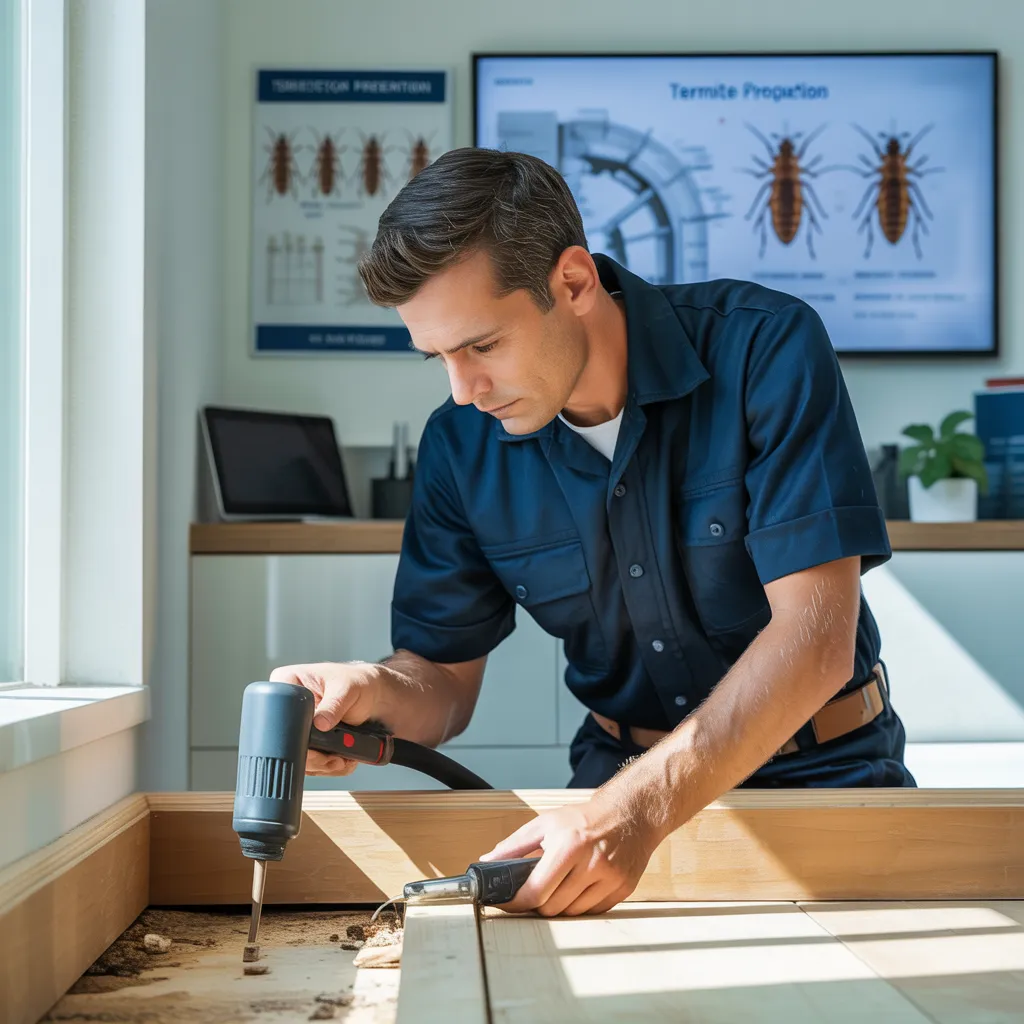
What Insects Are Common and Why They Invade Your Home?
What motivates pests to invade homes? Various factors draw common pests, including rodents, ants, and cockroaches. Food sources, such as crumbs and spills, serve as considerable lures, providing easy access to sustenance. Additionally, moisture is a critical factor, with damp areas in kitchens and bathrooms creating favorable conditions for infestations.
Shelter constitutes a significant role; pests discover cracks, crevices, and cluttered spaces to form nests and escape from predators. Temporal changes can magnify these invasions, primarily during colder months when insects require thermal comfort.
Particular terrains, like gardens and overgrown vegetation, can further attract pests, offering both food and protection. Recognizing these motivations helps homeowners understand the importance of maintaining a neat, dry, and well-sealed environment to discourage unwanted guests. By addressing these issues, the likelihood of pest invasions can be considerably minimized.
Proven Preventative Measures to Keep Pests Away
To effectively prevent pest intrusion, people should concentrate on closing access routes, keeping spaces tidy, and performing routine checks. These proactive measures create barriers that discourage insects from entering homes and establish a less inviting habitat. Applying these methods can significantly decrease the likelihood of infestations.
Seal Access Points
Sealing entry points stands as a key step in proper pest control, as it noticeably decreases the probability of infestations. Pests commonly access homes through small gaps and fissures in walls, windows, and doors. It is important for homeowners to perform a thorough inspection, locating vulnerable spots such as utility lines, vents, and foundation cracks. Using products like caulk, weather stripping, and mesh screens can reliably block these access points. Frequent maintenance is important, as wear and tear may create new openings. By taking proactive steps to seal entry points, homeowners can considerably reduce the risk of pests infiltrating their living spaces, thereby supporting a healthier and more comfortable environment.
Keep your surroundings tidy
A tidy space acts as a strong defense against pests, markedly reducing the likelihood of infestations. Routine cleaning habits, including vacuuming and dusting, remove food particles and potential nesting sites, making homes less attractive to insects and rodents. Proper waste management is crucial; storing garbage in sealed containers stops pests from being attracted to odors. Additionally, cleaning spills and crumbs quickly deters pests from establishing a presence. Attention should also be given to outdoor areas; maintaining gardens and yards, like trimming overgrown plants, can discourage pests from entering the home. By fostering a consistently clean environment, homeowners can notably enhance their pest prevention efforts, creating a less hospitable atmosphere for unwanted intruders throughout the year.
Regular Checks Needed
Keeping a clear environment is necessary, and regular inspections are equally important in stopping pest infestations. Homeowners should carry out thorough checks of both inside and outside locations, focusing on typical problem areas such as basements, attics, and the areas around windows and doors. These inspections help in identifying early signs of pest activity, including droppings or damaged materials. Additionally, seasonal inspections can detect vulnerabilities caused by changing weather conditions, allowing for timely interventions. Engaging professional pest control services for in-depth assessments can further improve prevention efforts. By prioritizing regular inspections, individuals can guard their homes and maintain a proactive stance on pest management, greatly minimizing the risk of an infestation developing.
Instructions to Reply Swiftly to Pest Disasters
During pest emergencies, quick identification of the unwanted creature is vital for effective control. Identifying the specific species enables the deployment of customized treatment approaches. Swift action not only minimizes damage but also avoids subsequent infestations.
Identify The Pest Quickly
How can homeowners effectively respond to infestation crises? The first step is spotting the pest quickly. Identifying the specific type of pest allows for targeted action and avoids further infestation. Homeowners should pay attention to key characteristics such as dimensions, shade, and behavior, while also noting the location of the pest. Utilizing online resources or pest identification apps can simplify this process. Additionally, keeping a pest journal can help track sightings and patterns, making it more convenient to identify recurring issues. When in doubt, consulting a pest control professional can provide guidance and expert insight. Prompt identification not only assists in immediate response but also supports long-term prevention strategies, ensuring a pestless environment year-round.
Deploy Rapid Governance Initiatives
Taking fast action is necessary when a pest crisis occurs. Prompt control measures can greatly mitigate damage and lessen health risks. Begin by assessing the situation to identify the pest type and the scale of the infestation. This review guides the selection of proper treatment methods. For insects such as ants or cockroaches, traps or insecticides can be easily set. In cases with larger pests like rodents, sealing entry points and placing traps is essential. It’s crucial to observe safety practices by using protective gear when handling chemicals. If the infestation seems severe, reaching out to a professional pest control service is recommended. Acting quickly not only solves the immediate threat but also stops pests from becoming a recurring problem.
Weighing Natural Solutions against Chemical Treatments for Pest Control
When it comes to pest control, should homeowners prefer natural remedies or chemical treatments? This decision often copyrights on personal preferences, efficacy, and environmental concerns. Natural remedies, such as diatomaceous earth, essential oils, and vinegar solutions, attract those seeking eco-friendly options. They tend to be less harmful for children and pets, but may require more frequent applications and can lack the potency of chemical solutions.
On the other hand, chemical solutions, including bug sprays and rodenticides, often provide quick and strong results. However, they can create health risks and may lead to resistance in pests over time. Homeowners must consider the benefits and drawbacks of each method, taking into account factors like the severity of the infestation, the presence of vulnerable individuals in the home, and long-term sustainability. Ultimately, a balanced strategy incorporating both methods may yield the best results for maintaining a pest-free environment.
What Time Do You Need to Contact a Pest Control Expert?
Determining the right moment to call a pest control expert can significantly impact the efficiency of pest management initiatives. Homeowners should think about reaching out to an expert when they observe signs of an pest problem that exceeds their capacity to handle, such as a large number of rodents or bugs. Additionally, if DIY methods prove unsuccessful to produce results after a reasonable period of time, it may be time to obtain expert assistance.
Another important aspect is the conceivable health threats associated with particular pests. For instance, termites can cause structural damage, while cockroaches may initiate allergies or asthma. Moreover, if pests are spotted in delicate areas like kitchens or bedrooms, specialist intervention is suggested. In conclusion, if the pest problem is stubborn or reoccurring, an expert can provide a thorough assessment, ensuring a long-term solution rather than temporary relief. Identifying these scenarios promptly can lead to a more efficient and powerful pest control strategy.
Year-Round Tips for a Pest-Control Home
Once residents understand when to seek qualified pest removal experts, they can employ proactive measures to maintain a home without pests all year long. Consistent monitoring are vital; looking for signs of infestations, such as droppings or nests, can help catch concerns in advance. Block any cracks or gaps in walls, windows, and doors to prevent bugs and rodents from infiltrating. Maintaining cleanliness is vital; immediately removing scattered food debris and storing food in airtight containers can deter pests.
Seasonal tasks also play a role. In spring, homeowners must remove debris from yards and trim overgrown bushes. In fall, ensuring gutters are clean and downspouts divert water away from the foundation can minimize moisture, which entice pests. supporting information Finally, utilizing natural deterrents, such as essential oils or diatomaceous earth, can serve as an effective, eco-friendly solution to pest management. By adopting these measures, homeowners can noticeably reduce their risk of infestations year-round.
Frequently Commonly Questions
In What Ways Do Seasonal Shifts Alter Insect Presence Indoors?
Environmental shifts substantially influence indoor pest activity. Warmer temperatures may elevate insect breeding, while humidity can encourage infestations. Conversely, colder conditions often force pests indoors, seeking shelter and food, thereby intensifying indoor pest problems.
Do Animals Attract Pests Through Your Home?
Pets may certainly bring pests into your home. Their fur, food, and waste frequently function as draws for fleas, ticks, and rodents, boosting the chance of infestations if not properly managed and prevented.
In What Way Does Landscaping Impact Pest Prevention?
Strategic landscaping proves essential to pest control by controlling available habitat. Proper plant selection, regular maintenance, and strategic placement work together to effectively deter pests, decrease available hiding spots, and boost populations of beneficial insects, ultimately promoting overall environmental wellness.
When Are Pests Most Active During the Year? Specific Seasonal Times Explained.
Pests tend to be more busy during warmer months, especially spring and summer, when temperatures rise and food sources are plentiful. Fall may experience heightened movement as pests get set for winter, seeking shelter and sustenance.
How Do I Pinpoint Where a Pest Issue is Starting?
To determine the source of a pest problem, it is necessary to inspect all potential entry points, copyrightine food storage areas, and search for signs of infestation, like droppings or nests, to pinpoint the root of the infestation.